When I was little, I remember throwing a tantrum, insisting, “I absolutely have to see the first sunrise of the year!” My mother, however, explained that the “First Sunrise” (Hatsuhinode) is simply a sunrise that happens to occur on New Year’s Day, and as a phenomenon, it’s exactly the same as any other sunrise. With that, she brilliantly avoided the hassle of going out in the early morning. I remember how the fantasy of New Year’s—something I had held as a special, sacred thing—crumbled inside me at that moment. I really thought New Year’s was some kind of massive natural phenomenon involving the entire planet!
Thinking back, my family was quite dry regarding New Year’s. Even on December 31st, my parents would usually go to bed before midnight. Their stance on Coming-of-Age Day was, “Why should the government decide whether I’ve become an adult or not?” and celebrations like Christmas or birthdays stopped happening quite early on.
In short, it was a “party-pooper” household that didn’t buy into society’s collective fantasies at all.
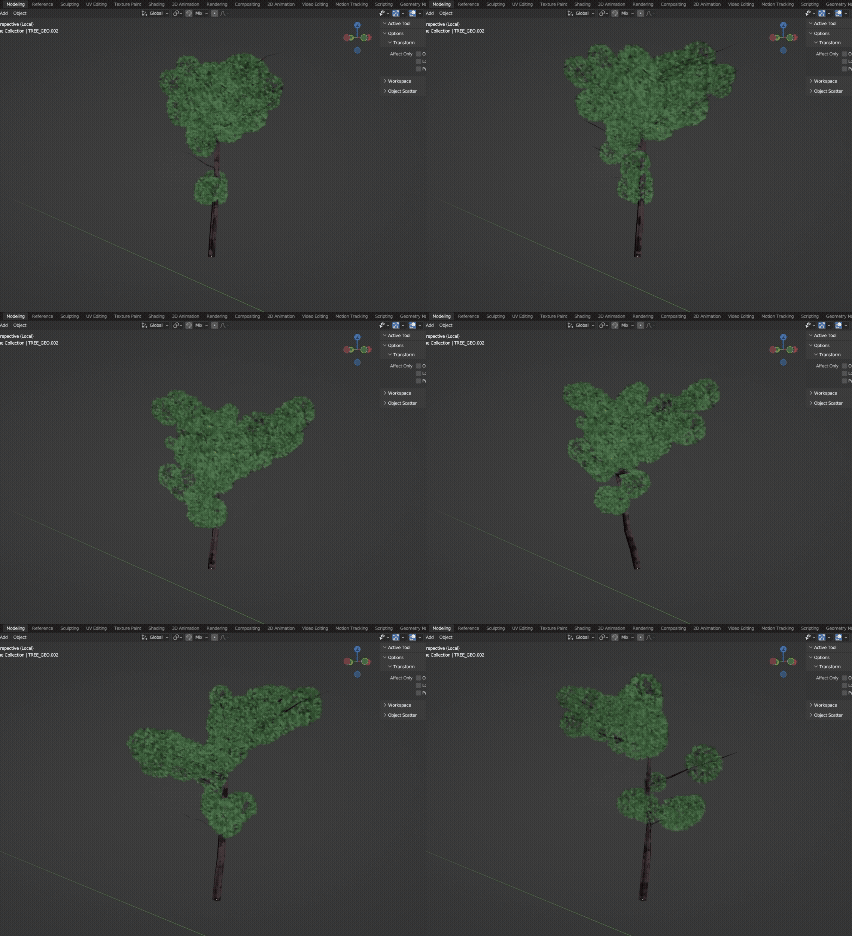
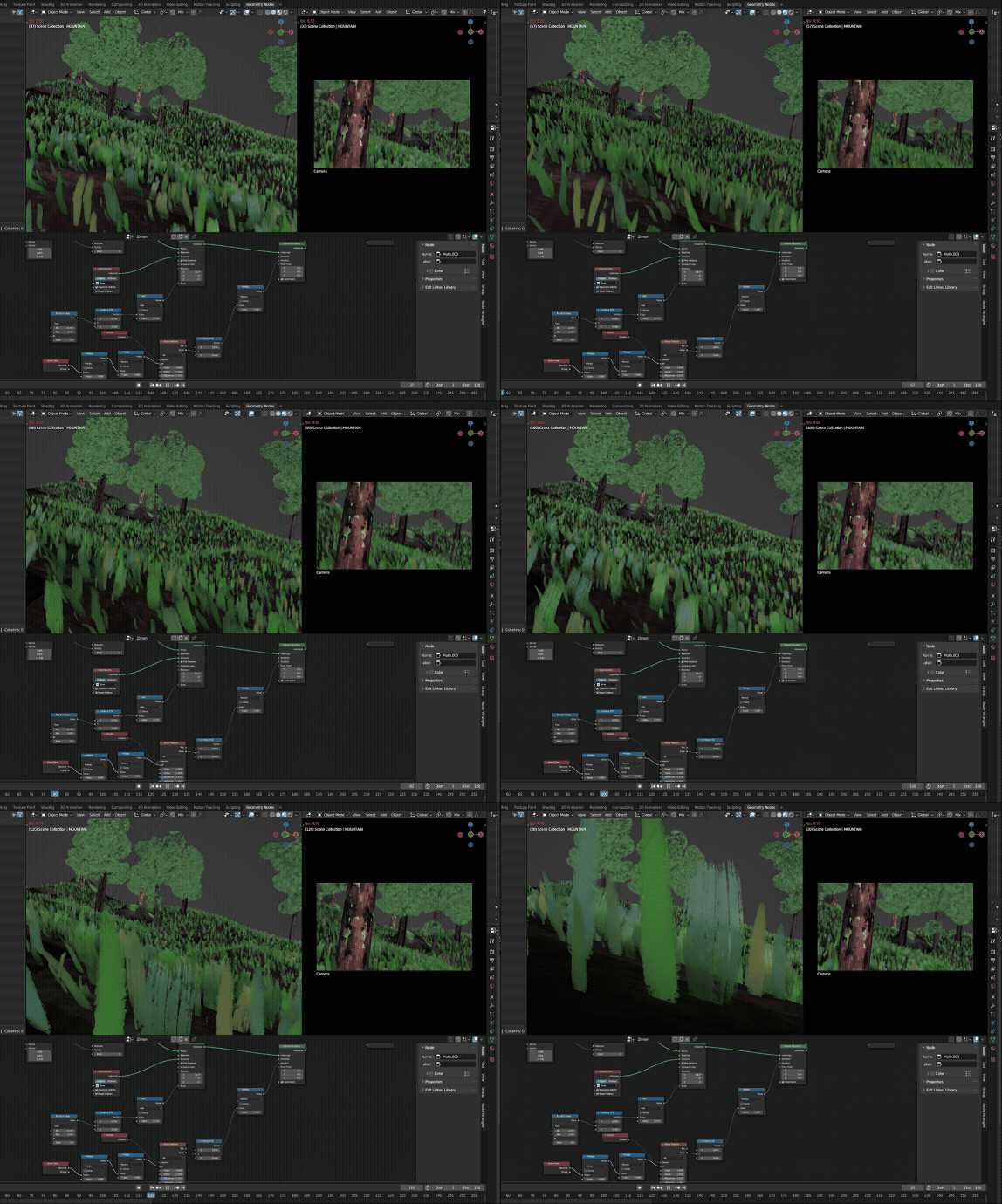
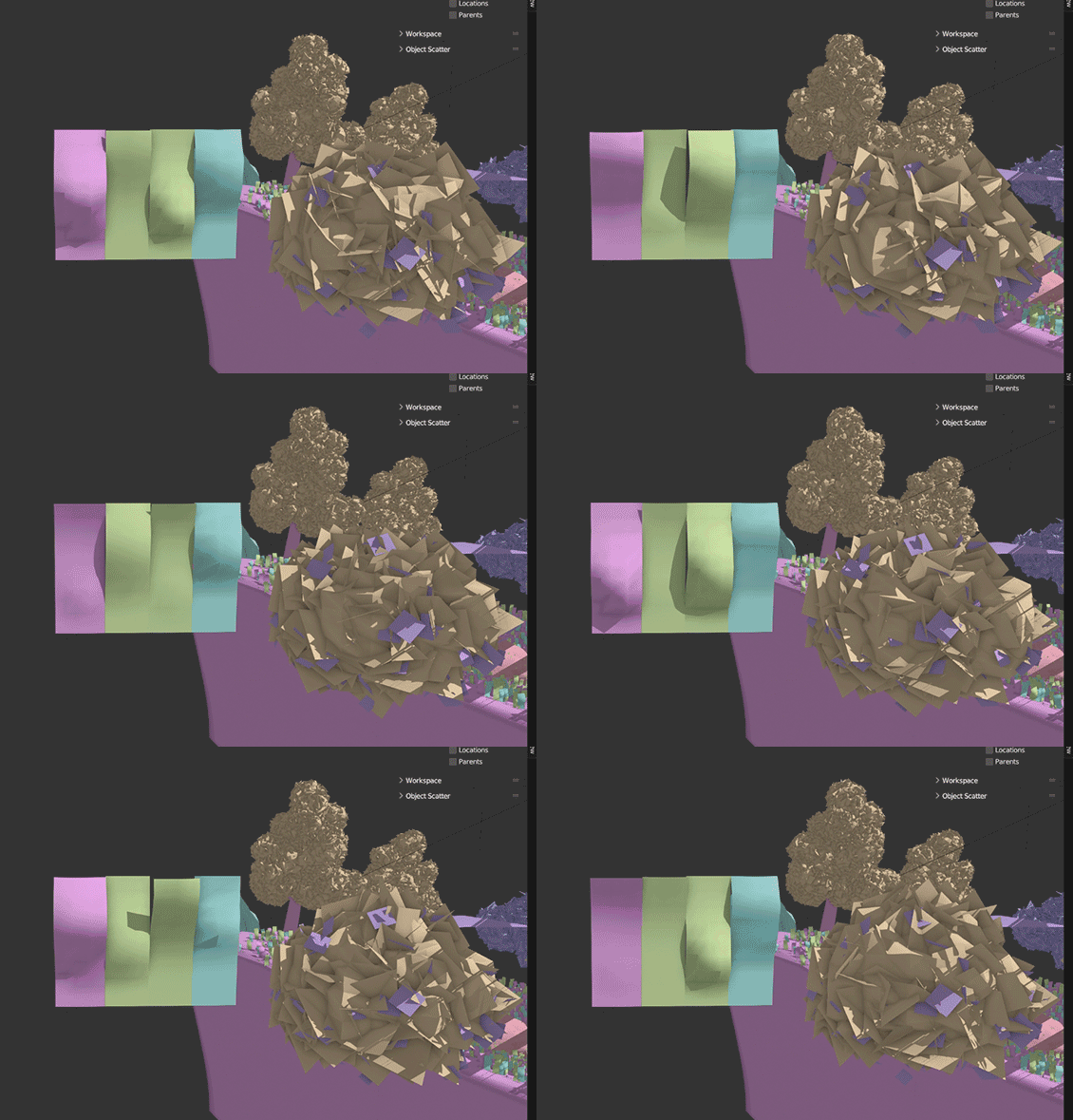
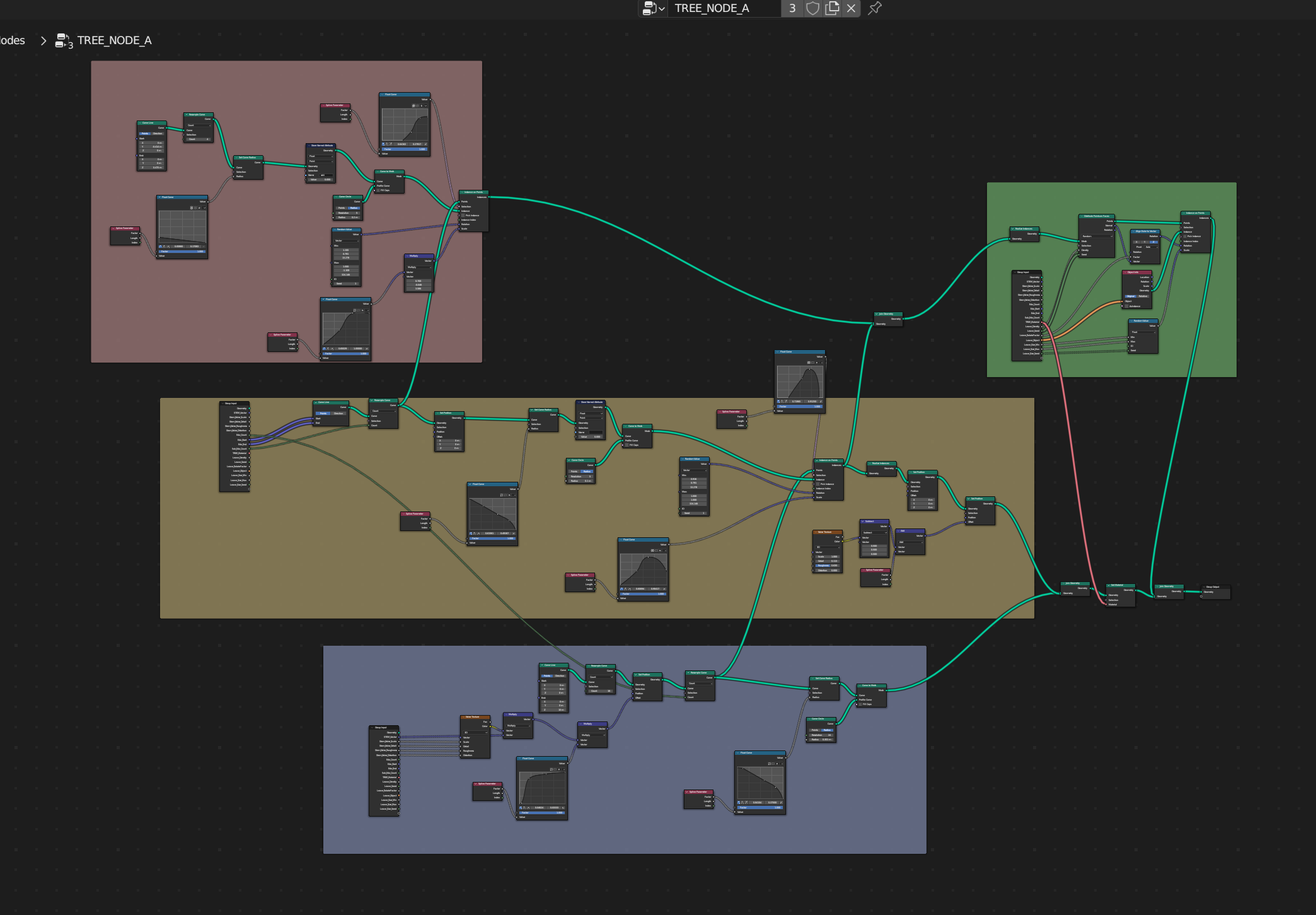
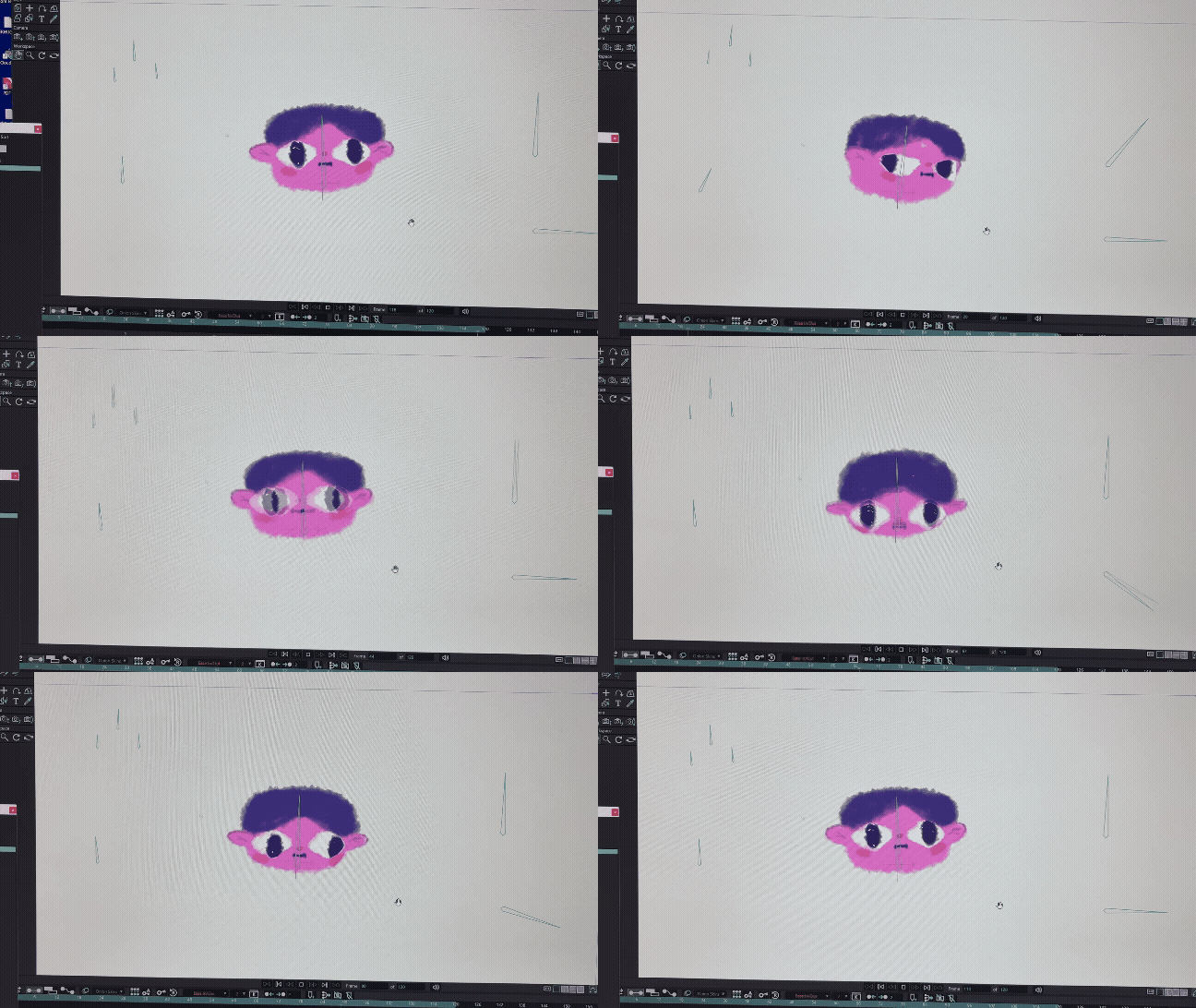
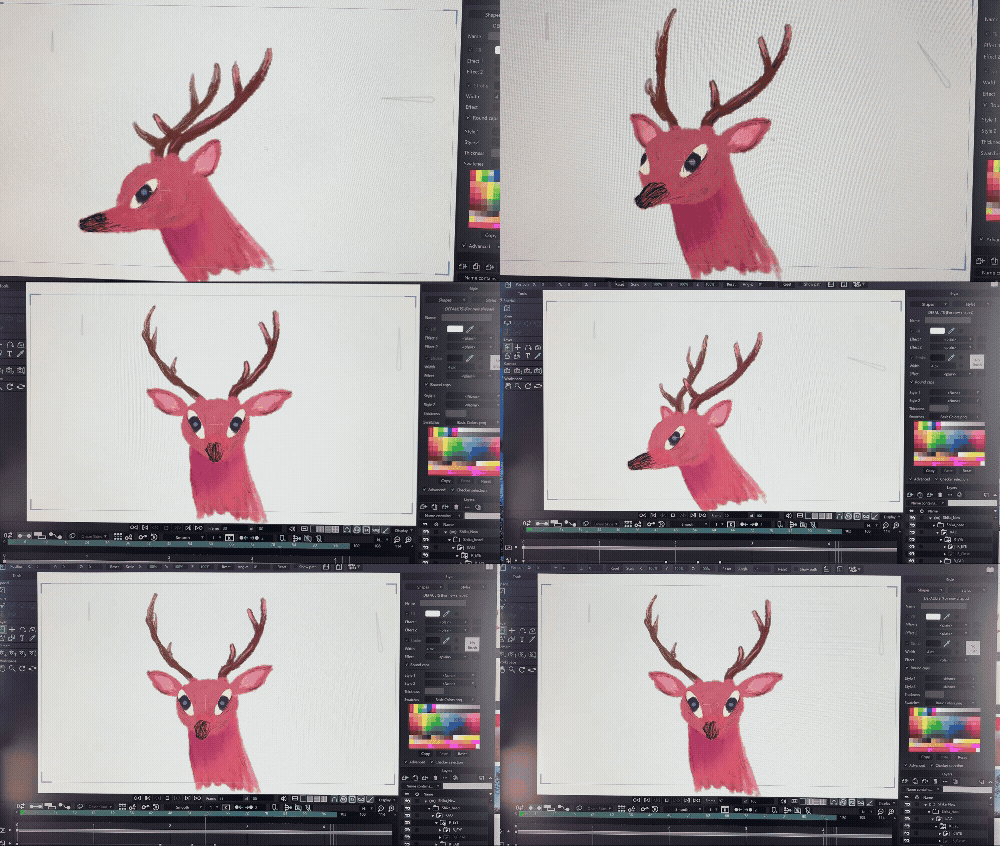
As for me, I actually love the festive atmosphere of the city during Christmas and the year-end season. But I’m a bit bad with New Year’s Eve; it’s painful for me to have the “one-year” boundary forcibly shut down, and I find myself wanting to turn away from it. After all, every year is full of things I failed to achieve. Besides, don’t decide on a 365-day boundary on your own! Humans are so selfish! Cats aren’t aware of New Year’s! Out of such selfishness, I find myself making an effort to spend the day as normally as possible. Because of that, I kept working on my animation. Maybe I’ll write about that in the next diary entry.
On the 30th, at a local udon shop in Fujimi Town called “Yamayuri,” there was a live performance by the band “Kafka’s Ibiki,” consisting of Jim O’Rourke, Eiko Ishibashi, and Tatsuhisa Yamamoto. “Yamayuri” is an udon shop in an old folk house that also appears in “Evil Does Not Exist” (directed by Ryusuke Hamaguchi). It felt so good to be bathed in such great sound in such a wonderful place. Even though Fujimi is a small town, I’m truly happy that people organize wonderful events in various places.
After that, the drunkards of Fujimi Town gathered one after another at a recently opened karaoke snack bar at the quiet Shinano-Sakai Station, turning it into a giant year-end karaoke party.
On the 31st, I was tinkering with Blender since morning. From the evening, everyone remaining in Fujimi gathered at our place for a New Year’s Eve hand-rolled sushi party while watching Kohaku Uta Gassen*. I didn’t know many of the performers, but I was surprised by how cool everyone was. After all, the kendama and domino segments were incredibly exciting. Is Vaundy a person, not a band? It was also great to see Aina The End on Kohaku. Also, Kenshi Yonezu’s performance was incredibly cool (I always thought his name was pronounced “Genshi”). I was enchanted by Seiko Matsuda‘s singing voice (The 80s Legend!), and as usual, I questioned the Kohaku victory/defeat system.
Apparently, next year is the Year of the Horse. It reminded me that two Decembers ago, I was in Georgia, and there were many snake goods at the street stalls in front of the Bus station. When I asked why, they said, “Because next year is the Year of the Snake.” I was surprised to learn that Georgia also uses the Chinese zodiac! and also made me think that we almost never use the zodiac except during the New Year season.
After everyone left, I touched Blender until about 4 AM to erase the feeling of “New Year’s Eve” within myself and to forget about boundaries like “one year.” It was a very quiet night, and I worked until dawn.
*Kohaku Uta Gassen– Japan’s legendary New Year’s Eve TV special where top artists compete in a “Red vs. White (Female vs Male)” singing battle.